

By: Melanie Spilbeler, Director of Marketing, Choice Farms
September 25, 2026
Key Takeaways
- AI could help floral wholesalers improve forecasting by identifying patterns across customer history, seasonality, inventory and purchasing data.
- For sales teams, AI may help identify declining accounts, reorder opportunities and changes in customer buying behavior sooner.
- The opportunity is not to replace buyer or salesperson judgment, but to give experienced employees better information before a decision is made.
- The best place to start is with a specific forecasting or sales problem rather than a particular AI platform.
Artificial intelligence has quickly become part of the business conversation. For many companies, the first applications have been relatively simple, from drafting emails and summarizing meetings to creating marketing content. Those uses can save time, but they may not be where AI ultimately creates the greatest value for a floral wholesaler.
A more interesting question is what happens when AI is applied to two areas that affect the business every day: forecasting what customers are likely to need and helping sales teams recognize opportunities sooner.
The timing is relevant. In WFFSA’s Virtual Wholesaler Discussion Groups, members have talked about customers ordering later, supply uncertainty, labor pressure, rising costs and the challenge of protecting margins. Recent WFFSA discussions have also emphasized planned purchasing, stronger forecasting and closer coordination between sales and procurement. These are not problems AI will solve on its own, but they are areas where seeing a change sooner could improve a decision.
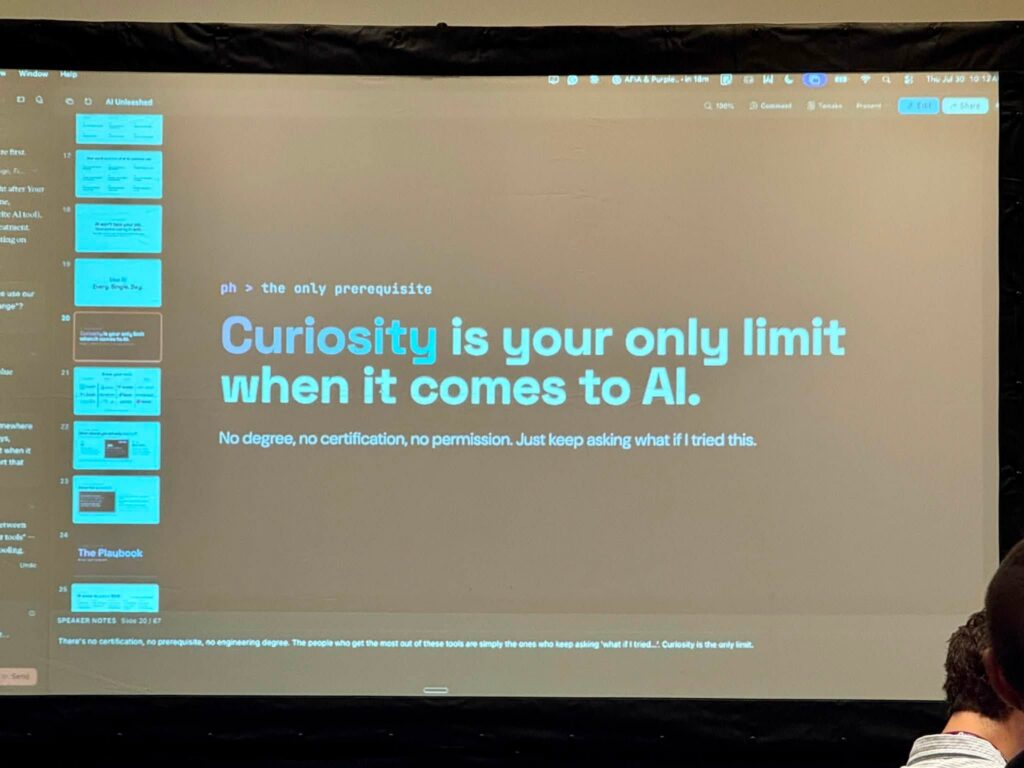
From Sales History to Better Forecasting
Most wholesalers already have years of valuable information in their systems, including customer purchases, holiday orders, inventory, pricing, credits, substitutions and purchasing history. Traditionally, much of that data helps answer what happened. AI and advanced analytics introduce another possibility: using those patterns to help anticipate what may happen next.
Consider Valentine’s Day roses. An experienced buyer knows which colors typically move, which customers tend to order late and how current crop conditions compare with previous years. Now combine that experience with several years of customer-level purchases, current prebooks, recent sales trends and inventory movement. Analytics might flag that a historically strong Valentine’s account has been reducing rose purchases for six months, while another customer is growing faster than expected.
Those signals do not make the purchasing decision. They give the buyer better context before making it.
The broader distribution industry is already testing these applications. McKinsey’s 2026 research found that 90 percent of distributors surveyed had AI initiatives underway, although only 11 percent had fully adopted the technology. Inventory management, logistics optimization, and demand and sales management were among the areas where distributors saw significant opportunity. (Source: mckinsey.com)
Fresh produce provides an especially relevant comparison. Produce distributors face many of the same pressures as floral, including perishability, weather, changing supply and inventory that loses value over time. Produce Business has reported on AI-enabled systems using transaction data along with weather, pricing and sales signals to improve demand forecasting and identify inventory at greater risk of spoilage. (Source: producebusiness.com)
For floral wholesalers, the underlying question is familiar: are we buying primarily based on what customers needed last year, or can we get better at recognizing what they appear likely to need this year?
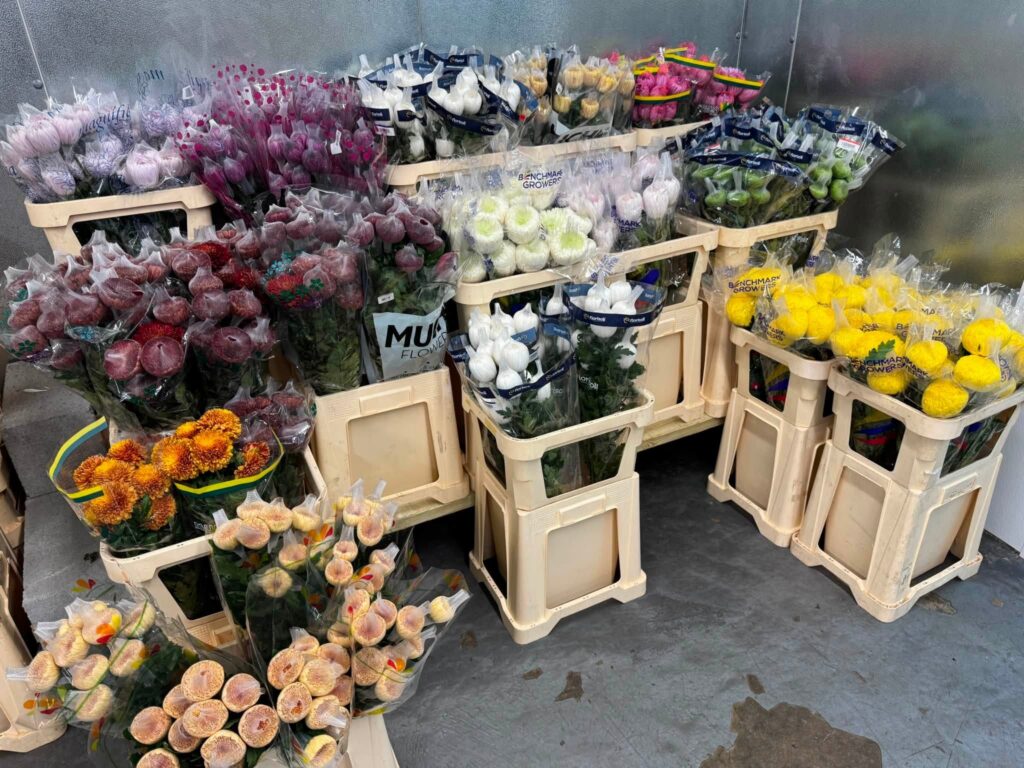
Giving Salespeople a Better Starting Point
Forecasting is only half of the opportunity. Salespeople carry a tremendous amount of customer knowledge, but they are also managing calls, quotes, availability requests, delivery questions and more than dozens of accounts. Small changes in customer behavior can easily be missed, especially when no single transaction looks unusual on its own.
AI could eventually help prioritize where attention is needed. A system might identify an account purchasing significantly less than its normal pattern, a customer approaching its typical reorder window or an account buying several product categories but consistently sourcing another elsewhere. It could also connect aging inventory with customers who have historically purchased that product.
That could be particularly useful in situations where the sales opportunity is not obvious. A customer may still be buying regularly, but at a steadily declining rate. Another may be growing overall but purchasing a key category elsewhere. A third may be placing orders later each month, creating more pressure on inventory and fulfillment. Recognizing those patterns earlier gives the salesperson a reason to start a conversation before the change becomes more significant.
The salesperson still needs to understand the customer, know the market and make the call. The difference is having a stronger answer to the question: Who should I be talking to today, and why?
McKinsey’s work on AI-enabled category management describes distributors combining demand signals, margins, purchasing information and assortment performance to make better commercial decisions. (Source: mckinsey.com) In floral, similar analysis could help purchasing and sales teams identify changes before an account quietly shifts business or an inventory problem becomes harder to solve.
Better Data Comes Before Better AI
None of this works particularly well if information is spread across disconnected systems, spreadsheets and individual employees’ memories. Floral technology is increasingly connecting sales, purchasing, inventory, reporting, e-commerce and logistics. That does not automatically make a company AI-powered, but it creates the structured information needed for better forecasting and analysis.
The global floral trade is moving in the same direction. Royal FloraHolland has reported continued growth in digital ordering and greater integration between procurement systems, with the goal of reducing manual work and improving the flow of information between buyers and growers. (Source: royalfloraholland.com)
For many wholesalers, improving the quality and accessibility of the data they already collect may be a more useful first step than immediately investing in a new AI tool.
Experience Still Matters
AI can recognize patterns, but it cannot always explain them. A buyer may know sales declined because availability was poor rather than because demand disappeared. A salesperson may know why a longtime customer temporarily shifted its purchasing. Someone walking through the cooler can recognize a quality problem that has not shown up in a report.
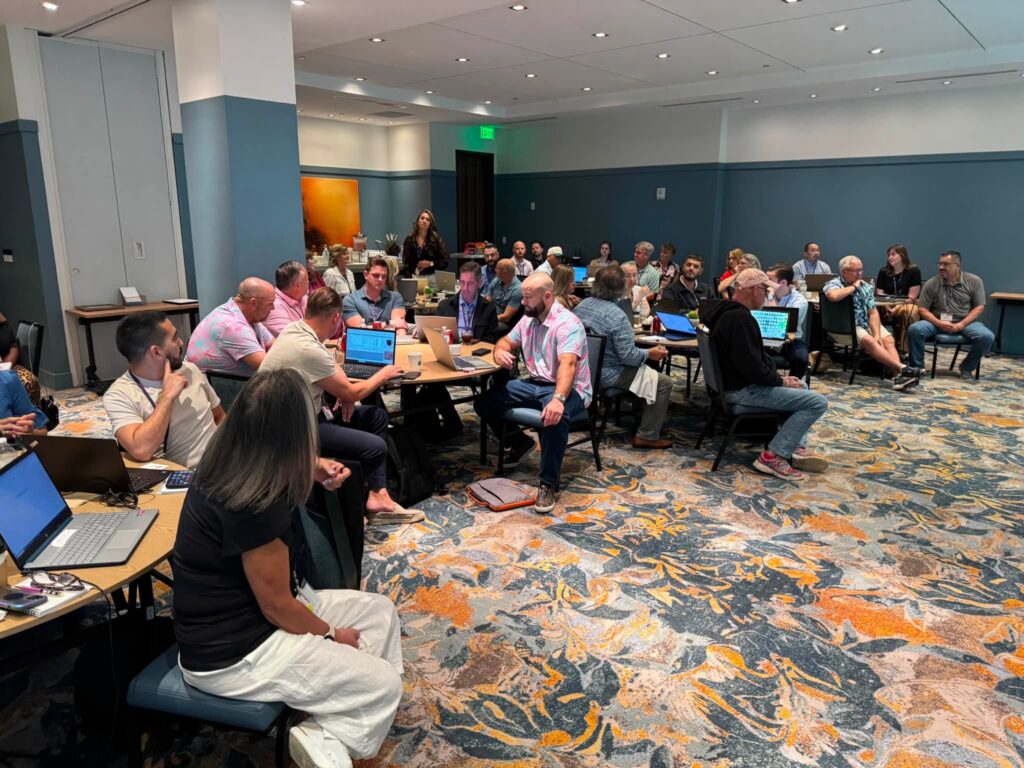
That experience remains one of floral distribution’s greatest strengths. WFFSA’s DevX 2026 programming explored practical applications of AI, reinforcing an important point: technology is most useful when it makes knowledgeable people more effective rather than simply adding another layer of complexity. (Source: wffsa.org)
For wholesalers exploring AI, the starting questions can be simple: Where could better forecasting help us buy with more confidence? Where could better information help sales recognize an opportunity sooner?
In a perishable, relationship-driven business, getting the right information a little earlier can make a meaningful difference.
Continue the Conversation
WFFSA’s Virtual Wholesaler Discussion Groups give members a place to compare approaches, share real-world challenges and learn how peers are responding to industry changes. Explore our website to learn more about WFFSA membership, education and upcoming member programs.