Valentine’s Day 2026: The Season That Puts Ecuador’s Floriculture and Logistics to the Test
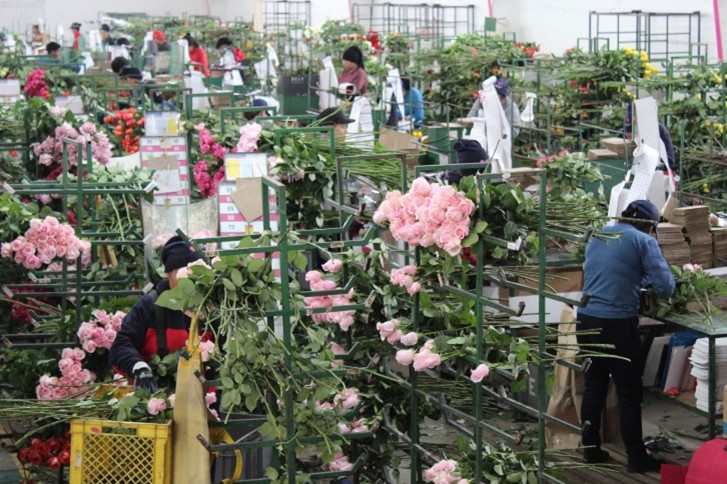
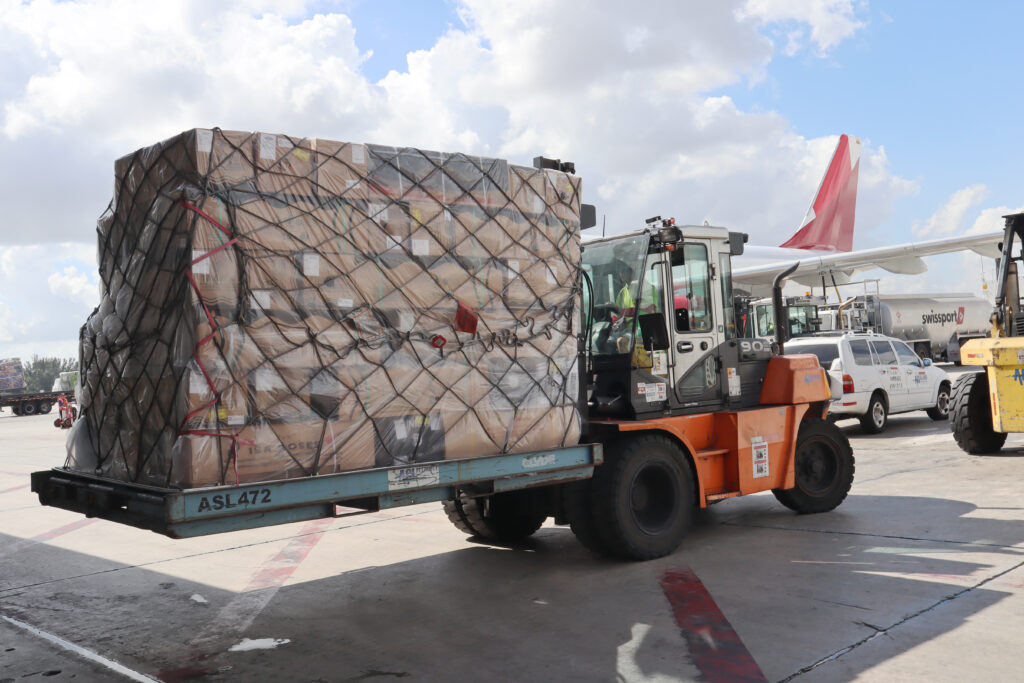
Valentine’s Day represents one of the most demanding moments for Ecuador’s floriculture industry: it accounts for around 30% of farms’ annual sales and requires extreme coordination among growers, airlines, logistics operators, and the Mariscal Sucre International Airport. During peak season, the industry can move between 100,000 and 120,000 boxes per day, with volumes that nearly triple over the 22 days of the export peak.
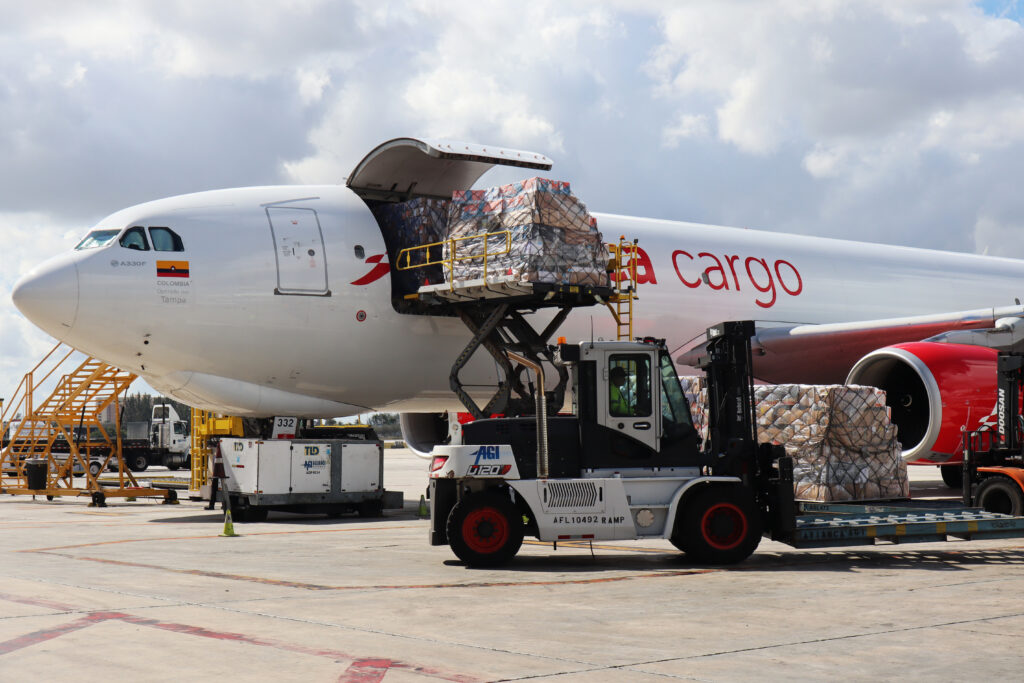
The 2026 season is progressing with positive preliminary figures: between January 20 and February 1, 17,600 tons were exported in 330 flights operated by 16 airlines, reflecting 17.9% growth. To meet this demand, flight frequencies increase significantly—from 7 weekly frequencies in a normal week to 24 during the season, with airlines such as Avianca Cargo boosting capacity to Miami.
This year also brought unusual weather conditions. Excess sunshine and a lack of rainfall in November and December caused the flowers to bloom earlier (by up to 5 or 6 days), altering logistics planning and leading part of the volume to be transported even by sea. Unlike a typical Valentine’s season, production showed two peaks, increasing operational complexity, creating truck queues, and adding extra pressure to maintain the cold chain and ensure flights depart on time.
In terms of value, it was reported that USD 282 million were exported for Valentine’s Day in 2025, and this year the estimate is expected to close at around USD 274–276 million, in an environment where volume is growing but prices are under pressure, especially in the U.S. market.